Defining US Documentary Premieres at Toronto Black Film Festival During Black History Month

Stacey DeWitt, Defining US Director and Executive Producer

In the spring of 2015, I asked a fifteen-year-old Black student what he wanted me to know about him. “I want you to know I’m not a monster,” he whispered. It was a haunting answer that left me speechless. What kind of world have we created that compels a 15-year boy to describe himself with the words, “I’m not a monster?” I couldn’t shake the question or avoid the answer.

At the time, we were producing a series of documentary shorts in New York City about educators who were implementing new strategies to help disrupt the negative stereotypes and criminalization of Black and Brown boys. The project, called the Expanded Success Initiative, was one of many organized efforts spreading across the country to change how we see Black and Brown children, how they see themselves, and how to help them succeed in school and life.

Our work on that project inspired what has become Defining US, a national initiative to improve social justice issues that includes a series of documentary films; a network of educators on the front lines of the work; and a digital platform with resources for schools and communities. And we are thrilled to announce that the film makes its Canadian premiere at the Toronto Black Film Festival where we can lift up and honor the voice of educators and students of color as part of Black History Month.

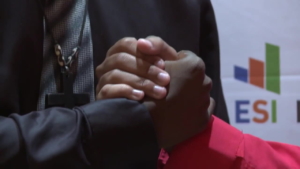
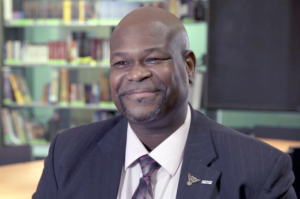
The idea began as part of a conversation between Paul Forbes, a Black man from New York who was the Executive Director of ESI at the time, and me, a White woman from Atlanta. It was the first of dozens of constructive, honest, and sometimes uncomfortable conversations we continue to have about race today.

Over the last several years, Paul and I along with dozens of educators, advisors, and students have formed individual relationships that allowed US to navigate the sometimes-uncomfortable creative tension necessary to create Defining US. Through that process, I began to learn how many teachers start their day by seeking to understand those who are misunderstood.  They perhaps more than any other collective group have the power to teach us all how to honor difference by seeing another’s similar heart.

Many of those educators have signed on to support the film and participate in the larger Defining US project. New York City Department of Education (NYCDOE) and Los Angeles Unified School District (LAUSD), the nation’s two largest school systems, provided unprecedented access to the Defining US editorial team along with other districts.  Experts in bias, equity, social and emotional learning, and culturally responsive education at universities such as UCLA, Yale, NYU, and Columbia also provided access and expertise.

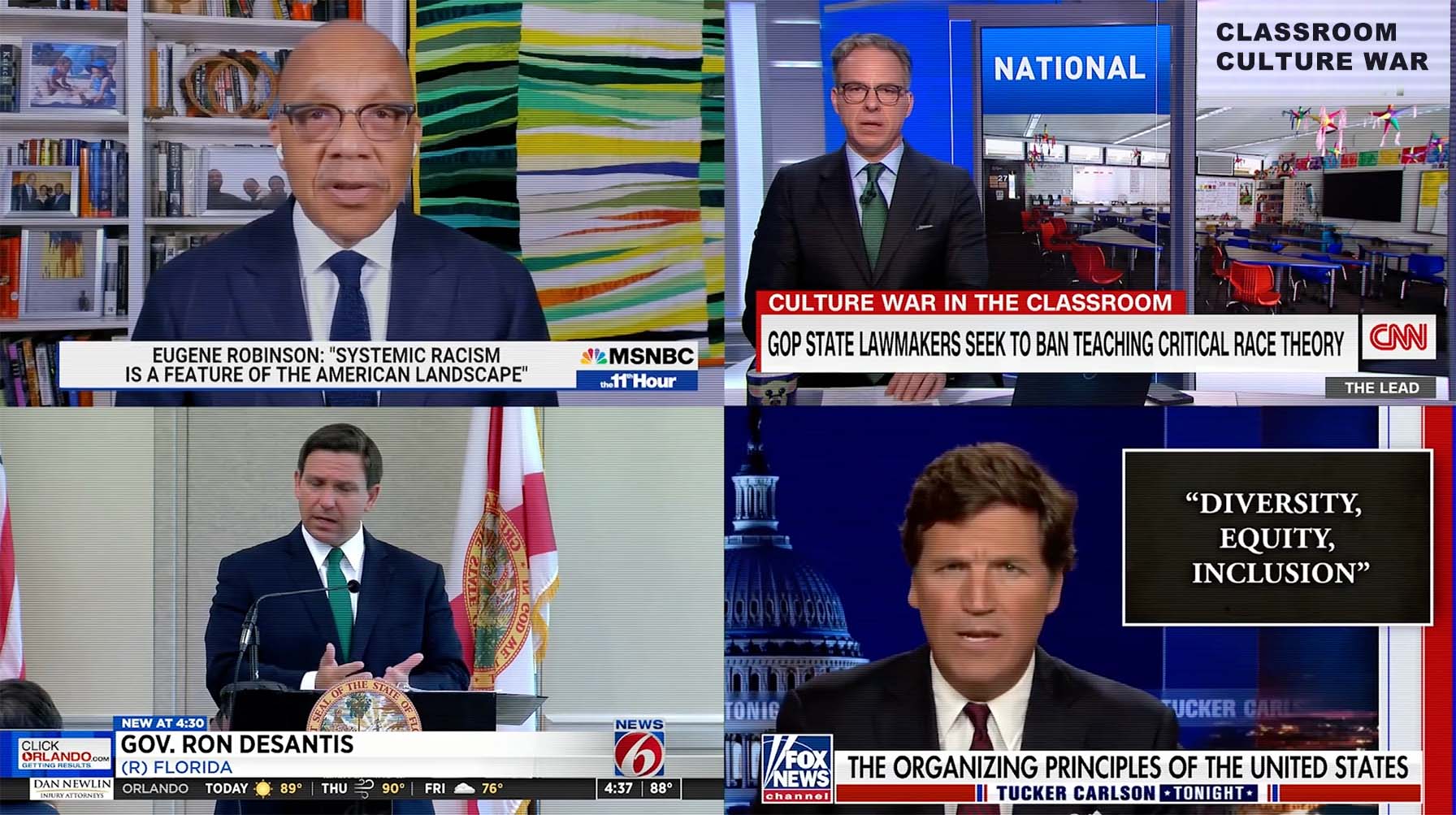
Students of color are now the majority of our nation’s youth.  They are still marginalized, dismissed, and plagued by negative stereotypes; and most recently find themselves at the crossroads of a critical debate about if and how students and teachers should discuss race in schools.  Defining US:  Children at the Crossroads of Change, is our flagship documentary in a series of films that tells the stories of educators and students who are creating the impact and living through the fallout of a country that is struggling with change.  See more here from Defining US Executive Producer Dr. Meria Carstarphen.

The film focuses on the importance of education in liberating marginalized Black and Brown youth from reinforced narratives by honoring their stories and creating a safe space in schools for them to discuss the issues that shape their identity.

Many Americans get their information from incomplete short-form content, confusing data, and generalizations that create fear and lead to false assumptions. We believe, and educational research shows, that one of the best ways to counteract incomplete and harmful narratives is through the power of storytelling. Our goal with the film was to use plain language and create connections with a broad audience. You won’t hear many educational acronyms or academic definitions, but you will see the power of relationships to create reasoned dialogue, healing and hope. It’s one of many unifying strategies educators can teach us all if they have a platform that amplifies their voice in the national dialogue.  We believe Defining US provides that opportunity.

Through our work over the last two decades, I have developed a deep belief in the power of media and the promise of education as possibly the most influential factors for creating positive social change. How do we use the power? Can we keep the promise? How do we navigate the tension between two markets that influence our nation’s largest audiences?

The answers to those questions are playing out in real time as American’s wrestle with how and whether students and teachers should talk about equity, race, gender, and other social justice issues in schools. The current debate impacts over 3,000,000 educators, over 50,000,000 students, their families, and ultimately all of US.

Darion Allen, a student from Los Angeles Unified describes “education as a revolution of the heart and mind that no one can take away from you.” Whether that statement remains true depends on what we do as individuals and communities in these important times. Look for Darion’s podcasts here.