Changing the Narrative

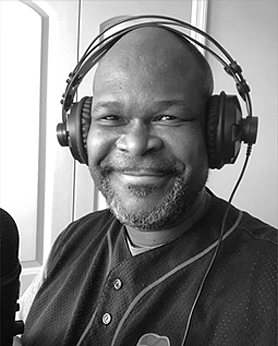
Paul Forbes, Defining US Advisory Board and Leaders Network

This past summer, as the discussion around CRT (Critical Race Theory) ramped up across the country, the words of novelist and activist, James Baldwin came rushing back to me, “Not everything that is faced can be changed, but nothing can be changed until it is faced.” As a Black man who was born and raised in New York City and worked for 24 years in the NYC Department of Education directing diversity, equity, and inclusion programs, I know firsthand, how true Baldwin’s words are. I know personally the impact of negative narrative and stereotypes about Black and Latino boys and young men.
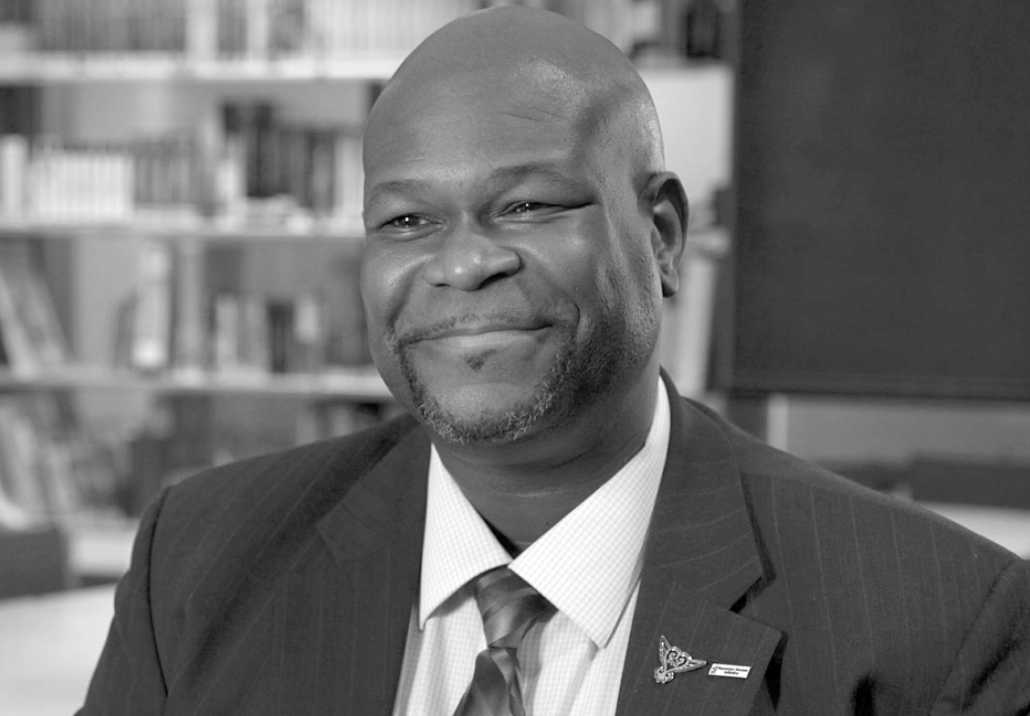
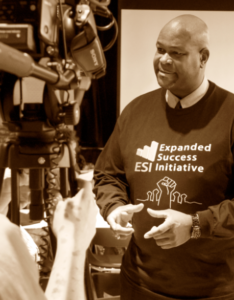
We are often referred to as, “lazy”, “violent”, “aggressive”, “thugs”, and “hyper-sexual”. As a Black man who identified as none of those things, I knew how important it would be to blunt and mitigate these stereotypes with counter-narratives. My parents are from the West Indies and from them, I learned about the power of storytelling. I decided early in my work that storytelling would play a pivotal role. My goal was to change hearts and minds by telling my story and the stories of the thousands of young men that I was blessed to work with and support.
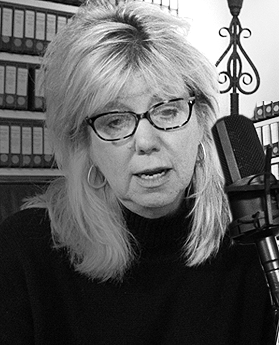
In early 2014, I met Stacey DeWitt. I was immediately drawn to her understanding of our work and her passion for storytelling, not only because she was a highly recommended producer but more importantly, I appreciated the social justice and the SEL (social and emotional learning) lens that she brought to productions.  Stacey grew more and more interested in the work that we were leading in NYC with a focus on equity and Culturally Responsive Education (CRE). In our discussions, she would share that districts and schools across the country needed to hear and learn more about how we were moving the needle for Black and Latino students. Those discussions were the intellectual seeds for the Defining Us project.

Using the power of storytelling, the Defining Us documentary allows us to confront and understand complex social issues like race and racial inequities through the eyes of young people. We hear from unapologetic educators and experts who are not afraid to face the issues and challenges of race and inequities. They provide historical context, strategies that have been implemented and proven to work in schools and districts across the country, and remind us all that “nothing can be changed until it is faced”.

I am grateful to Stacey and her team for the bold and audacious steps they have taken to invest in all young people, but specifically in our young people of color. When Stacey and I met in 2014, I saw her as the director of a video shoot, but our relationship has blossomed into one where we are now “co-conspirators” blending our spheres of influence to disrupt and dismantle structures and systems that are leading to inequitable outcomes.

We are at an inflection point in this country. Many people have been asking, “When can we get back to normal?” I respond, “We should not be going back to normal; we instead should be creating a new normal.” The Defining Us documentary and platform creates an opportunity for educators and students to influence transformative change in this country. Our young people have the power and the potential. This documentary, corresponding resources, and the educator network provide teachers, educational leaders, and students with a platform that allows them to co-create change that leads to a better tomorrow.