Defining Our Responsibilities to Students with Needs
Episode 14

Episode 14
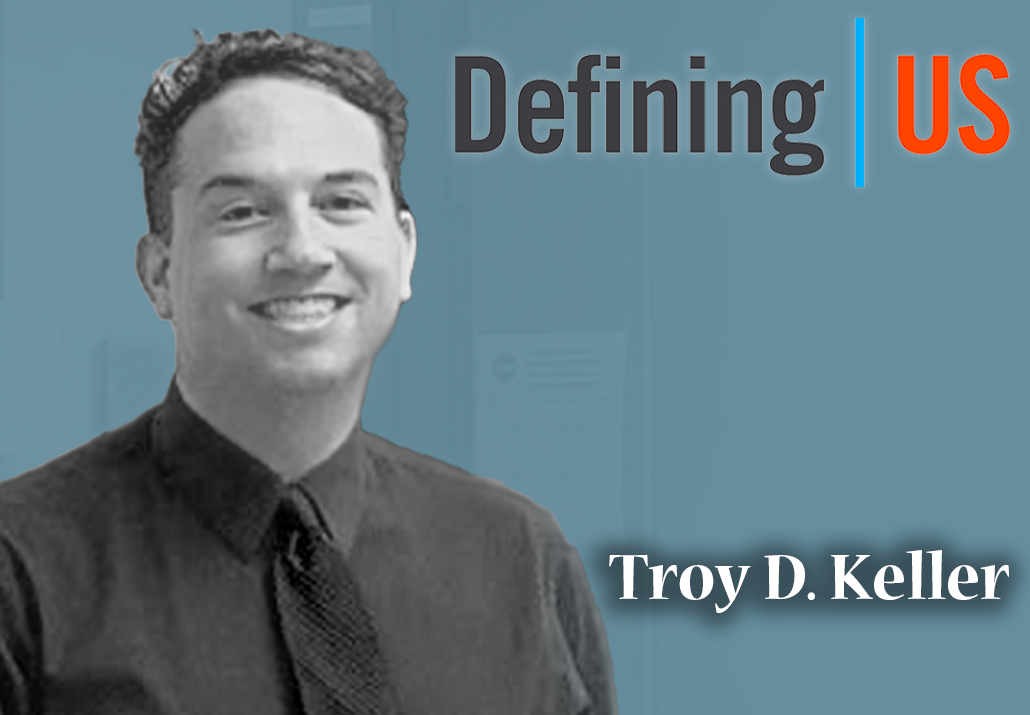
Since October 2020, Troy has served as a Director of Special Education for Frederick County Public Schools in Frederick, Maryland. Troy has worked with individuals with disabilities for over 15 years and began teaching special education at the age of nineteen in Austin, Texas. To continue his advocacy for individuals with disabilities, specifically individuals with autism and behavior disorders, Troy earned his Master’s in Applied Behavior Analysis (ABA) through Texas State University. In addition to teaching in the public school system, Troy has supported Special Education initiatives in multiple school districts (both urban and suburban in TX, GA, and now MD) as a Behavior Analyst, Autism Supervisor, and Assistant Director of Special Education. These positions have allowed Troy to partner with district and school leaders to create systemic initiatives to deploy evidence-based practices in the areas of behavior, mental health, and academics. This has resulted in narrowing achievement gaps, increasing graduation rates, and addressing the disproportionate representation of marginalized groups in special education. Troy can be reached at TroyDKeller@gmail.com
Throughout this podcast there are powerful moments that provide deeper insight into the individuals and topics discussed in this podcast.
Use the following critical reflection questions to make deeper meaning of the topics discussed in
this episode.
Want to know more? Continue the learning with some of the important individuals, organizations, and topics discussed in this episode.